Key Takeaways
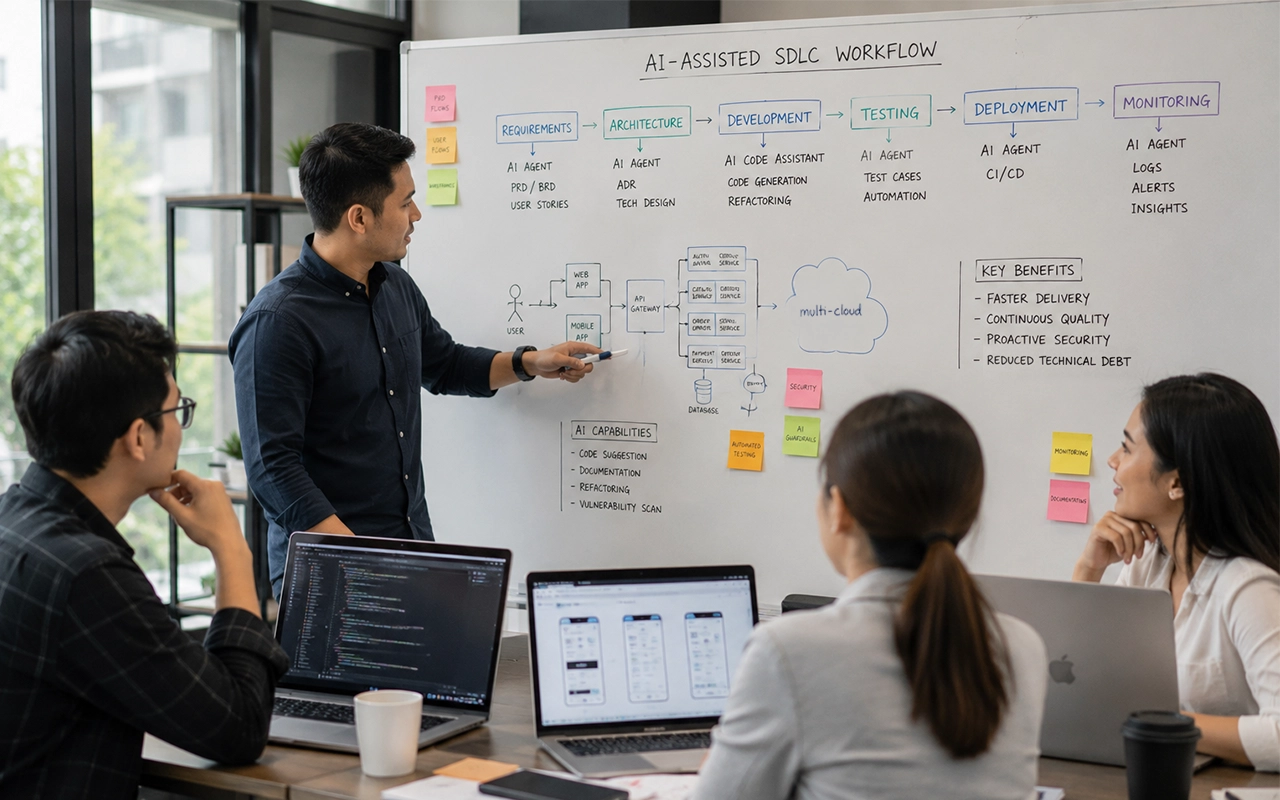
- Productivity Boost: AI acts as a force multiplier by handling low-complexity tasks—such as boilerplate generation, unit test scaffolding, and API integration templates. This reduces cognitive load and allows engineers to focus on higher-level system design and business logic.
- Assisted and Continuous Maintenance and Code Hygiene: AI agents provide continuous maintenance by generating living documentation that stays in sync with code changes and suggest real-time refactors to maintain style consistency and architectural standards from the first commit.
- Proactive Security Guardrails: AI integrates predictive vulnerability scanning directly into the IDE. By identifying anti-patterns and known OWASP vulnerabilities during the drafting phase, security shifts from a final gate to a continuous, automated feedback loop during active development.
- Radical Time-to-Market: Shift from months to weeks for complex, unified web and mobile platforms without sacrificing architectural integrity.
The traditional software development life cycle (SDLC) has served the industry well for decades, but in today’s hyper-competitive market, it is simply too slow. Businesses can no longer afford to wait months for minimum viable products (MVPs) or drown in the technical debt of rushed deployments.
At Stratpoint, we recognized that the future of engineering requires a fundamental shift. More than just adopting new tools, we have completely transformed our traditional methodology into a proprietary AI-assisted SDLC. By embedding artificial intelligence into the DNA of our engineering process, we are compressing traditional development timelines and democratizing complex activities across the life cycle. This reduces the silos between previously distinct roles and skills, allowing for a more unified and productive delivery flow.
Building the AI SDLC Engine
Our transformation goes far beyond providing developers a coding copilot. We have integrated highly specialized AI tools across every single process area of the life cycle.
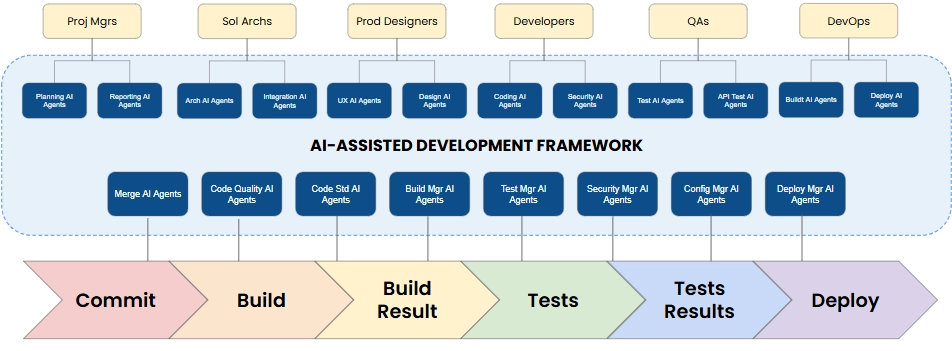
To orchestrate this, we engineered custom AI agents dedicated to specific phases of the journey—from initial scoping and architectural design to sprint estimation and production deployment. These agents do not operate in a vacuum. They are heavily calibrated to follow strict industry standards, combined with Stratpoint’s proprietary knowledge base. This means every AI agent is trained on decades of our battle-tested software development experience, finely tuned to execute the forward-looking, modern architectures of tomorrow.
This framework is rooted in the principle of structure before speed. We believe that true velocity is a product of preparation, not pressure. Before a single line of code is written, the AI agents accelerate the creation of critical, structured artifacts–including the PRD (product requirements document), ADR (architecture decision records), and detailed development tasks documents. This disciplined investment ensures that the engineering phase moves at a lightning pace because the how and why have already been meticulously defined.
Our AI SDLC Toolchain
Claude Code
For context-aware code generation.
Figma Make
For rapid UI/X prototyping and high-fidelity mockups.

Gemini Pro
For deep architectural analysis.

AWS Kiro
For enforcing upfront architectural planning, translating requirements into technical designs.
The Human Element: Elevating Top-Tier Talent
An AI framework is only as powerful as the engineers who wield it. Stratpoint’s software engineers—already top-tier in their respective stacks—are now fully AI-assisted. AI acts as a force multiplier. By handling low-complexity, repetitive tasks—such as boilerplate generation, unit test scaffolding, and API integration templates—we significantly reduce the cognitive load on our engineers, allowing them to shift their focus from syntax and mundane execution to high-level system design and solving complex business logic.
The transition was not magic. Adopting this framework required a significant transformational curve. Our engineers underwent rigorous training to unlearn legacy habits and master advanced AI orchestration. But by holding firm to the high bar of our new AI SDLC standards, the results have been staggering:
- 50-70% efficiency gains: Our developers have improved their app development velocity by up to 70%, and the entire SDLC by up to 50%, reducing the time from 1 month to just 2 weeks.
- Focus on value: AI automates the heavy lifting so humans can focus more on architecture and validation, where the real value lies.
The Proof: Building a Unified eCommerce Platform in 4 Weeks
To pressure-test the full capabilities of our new AI SDLC, we assembled a small, AI-equipped squad to build a closed-community eCommerce unified app (simultaneous Web and Mobile delivery).
The application required a robust suite of features:
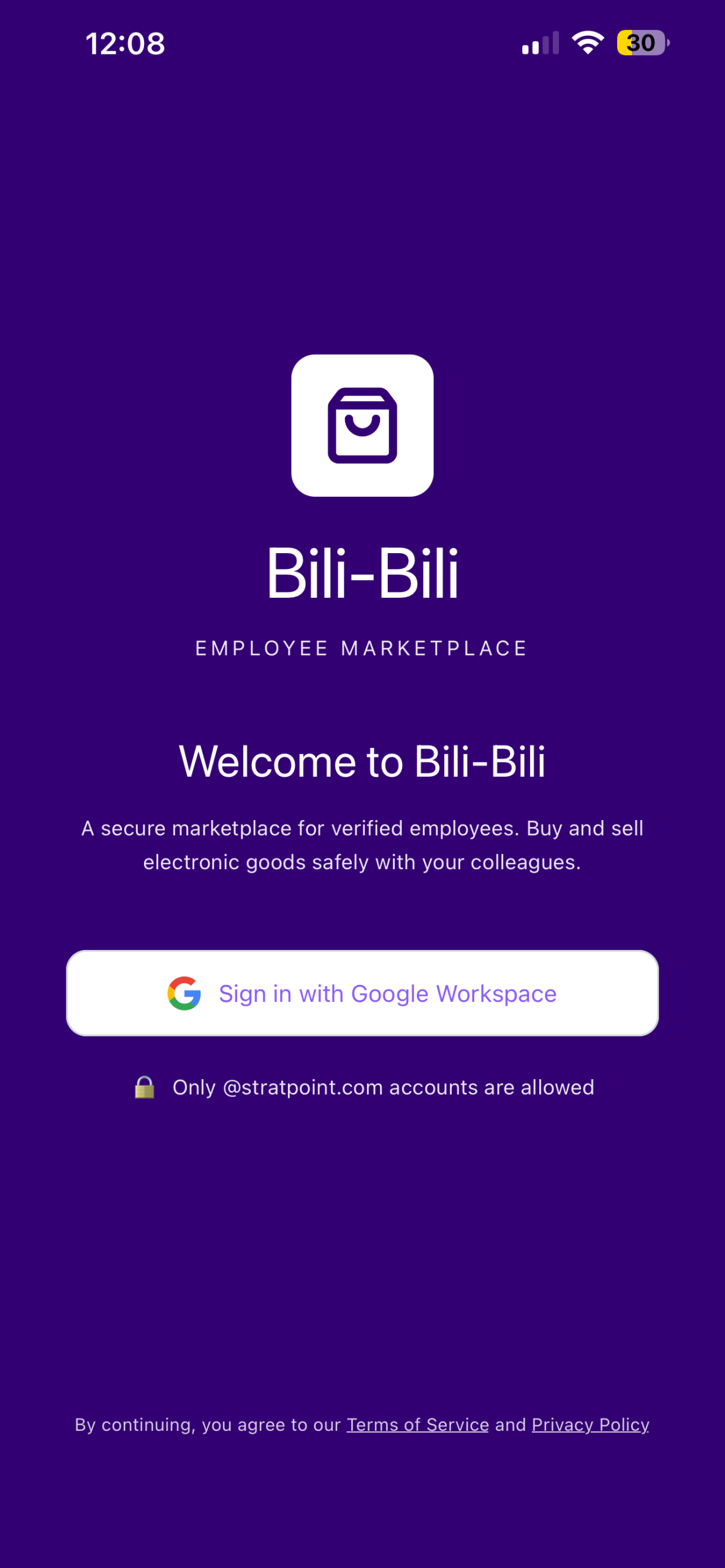


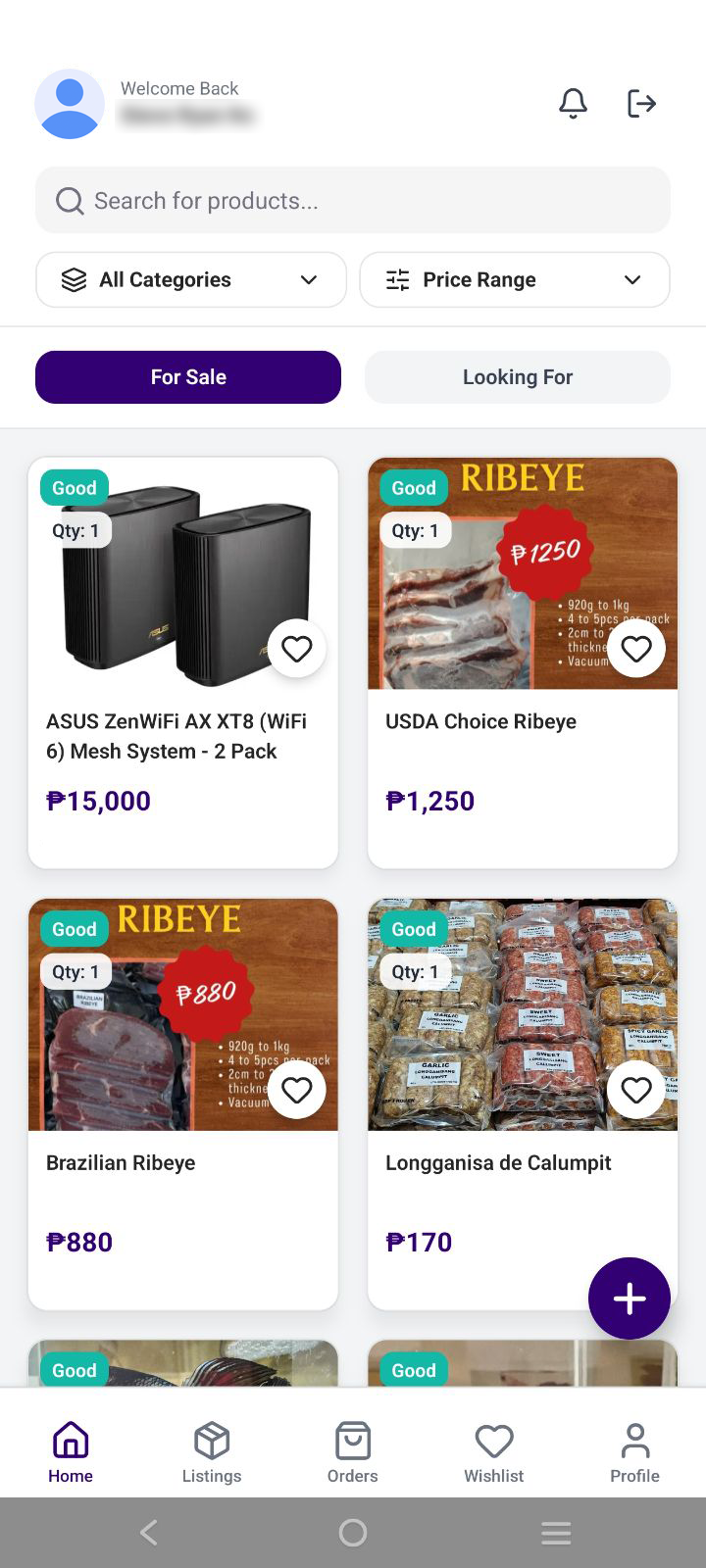
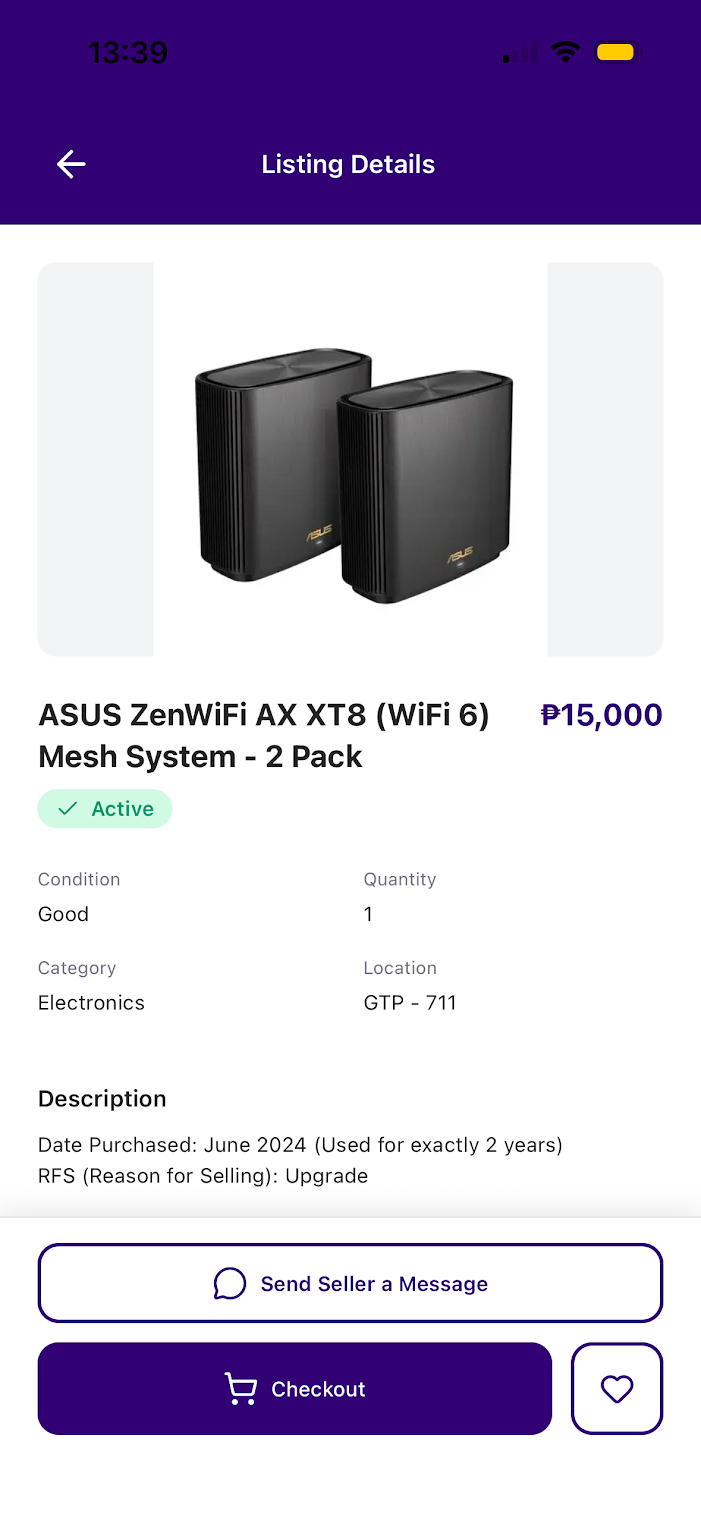

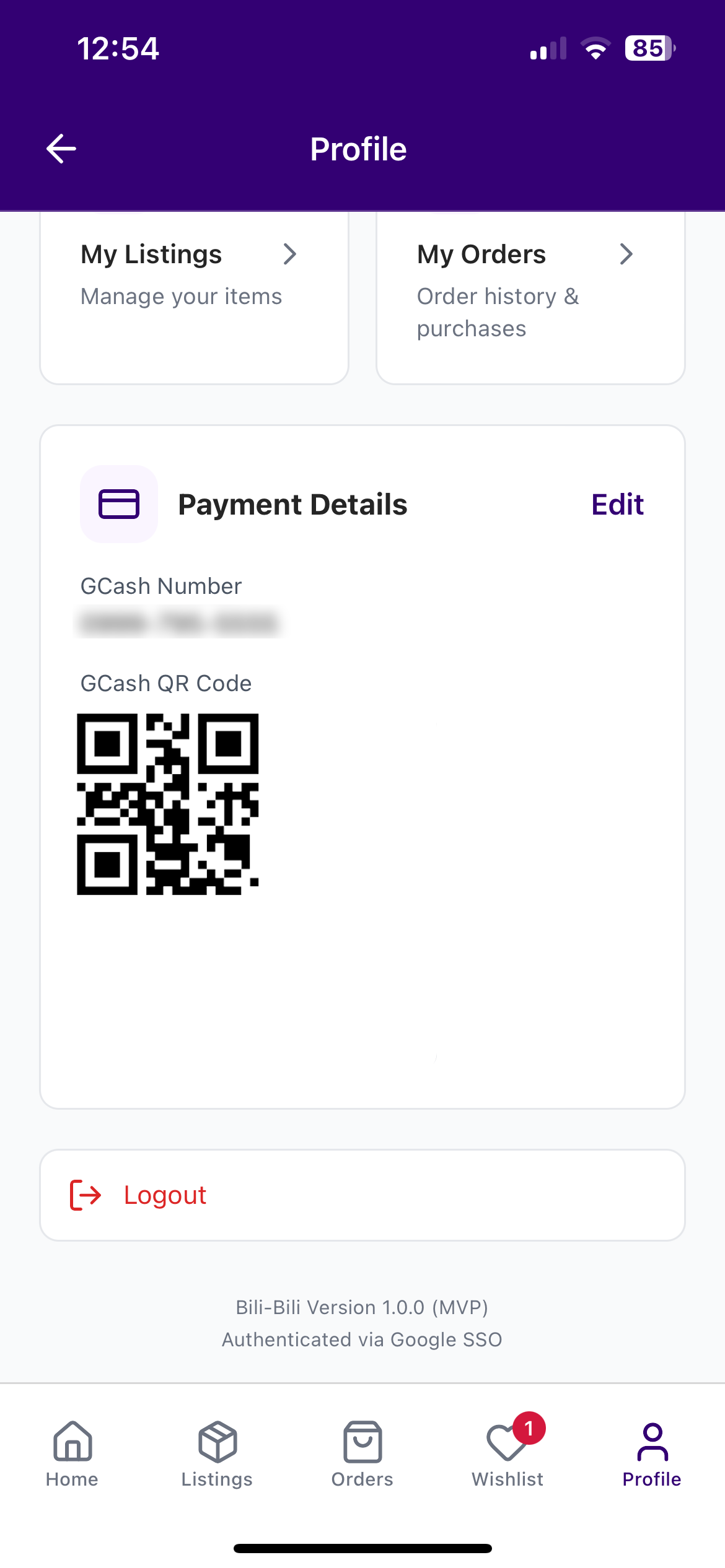
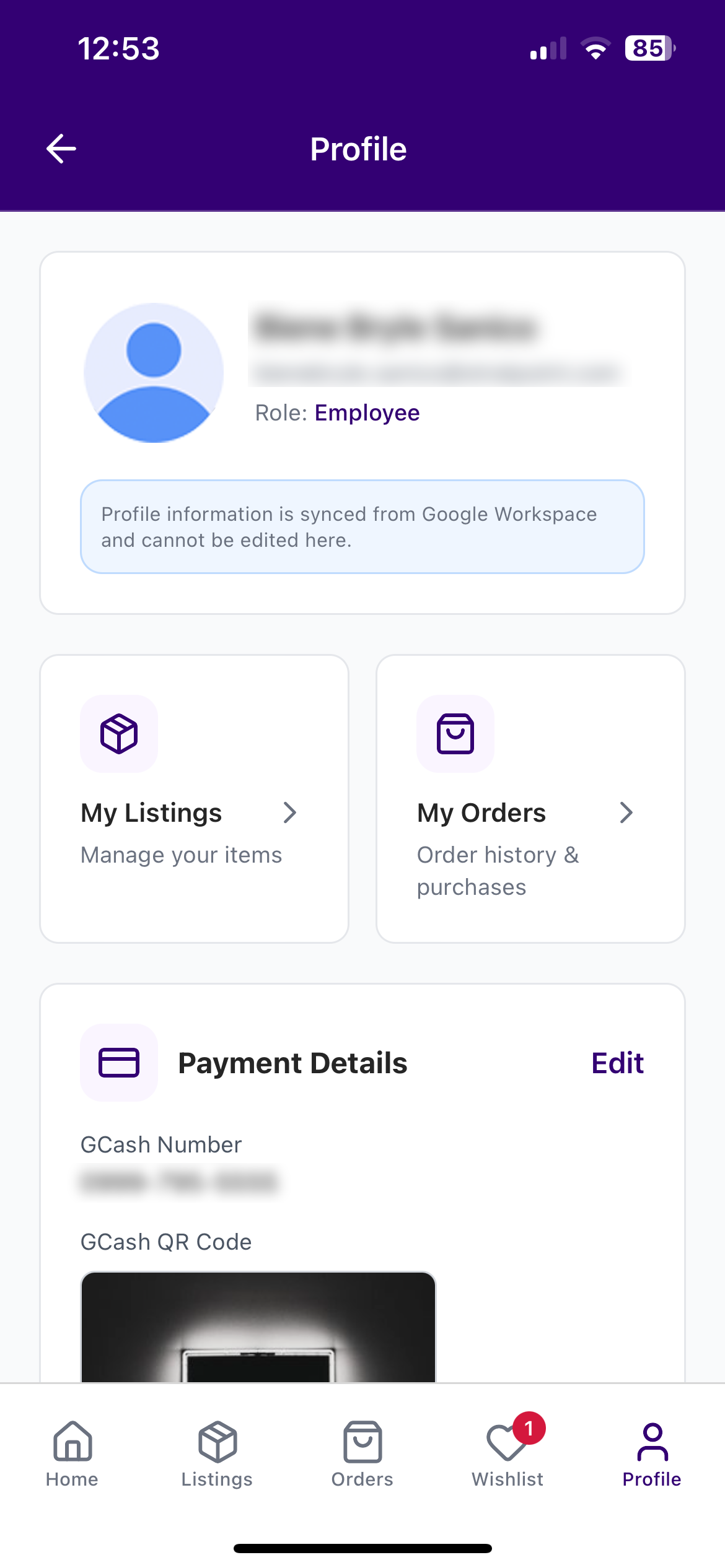
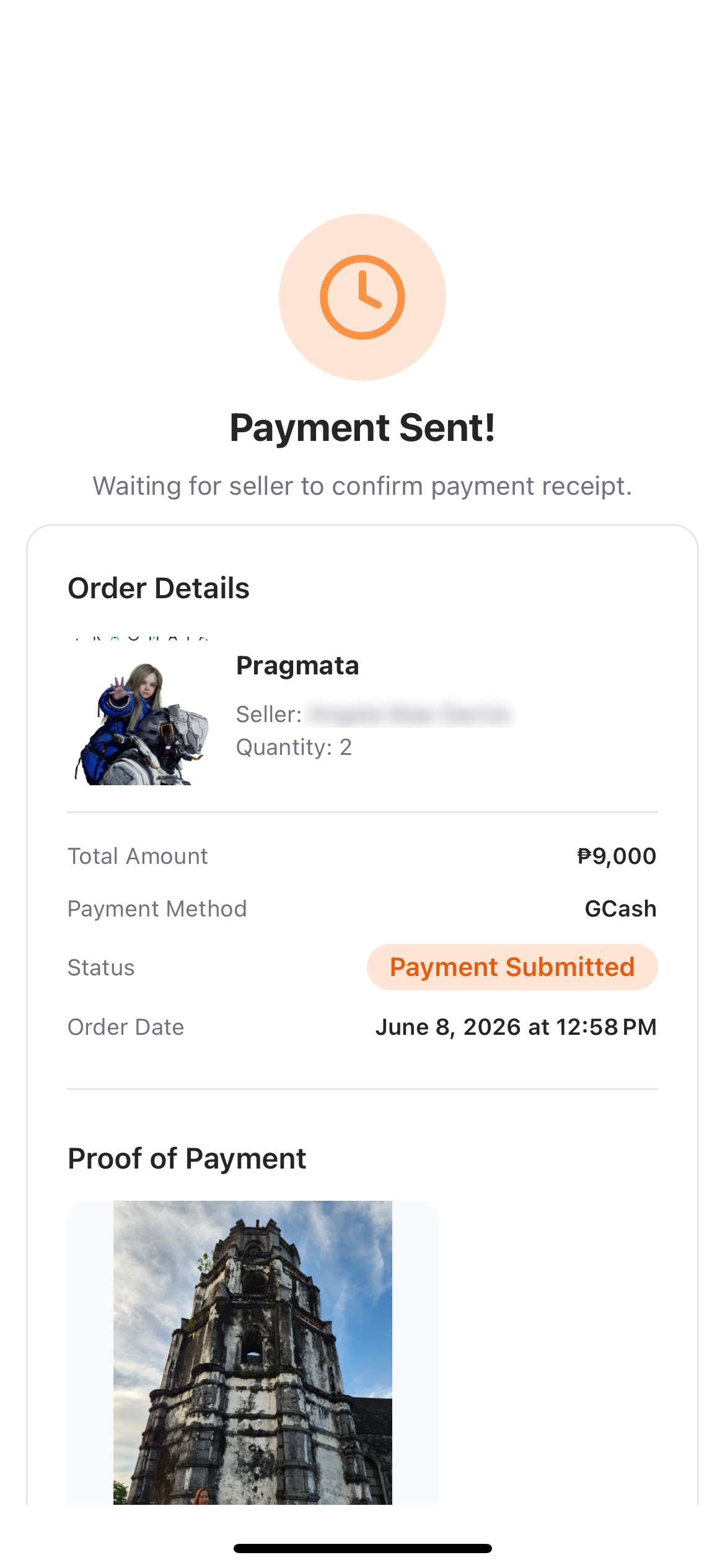
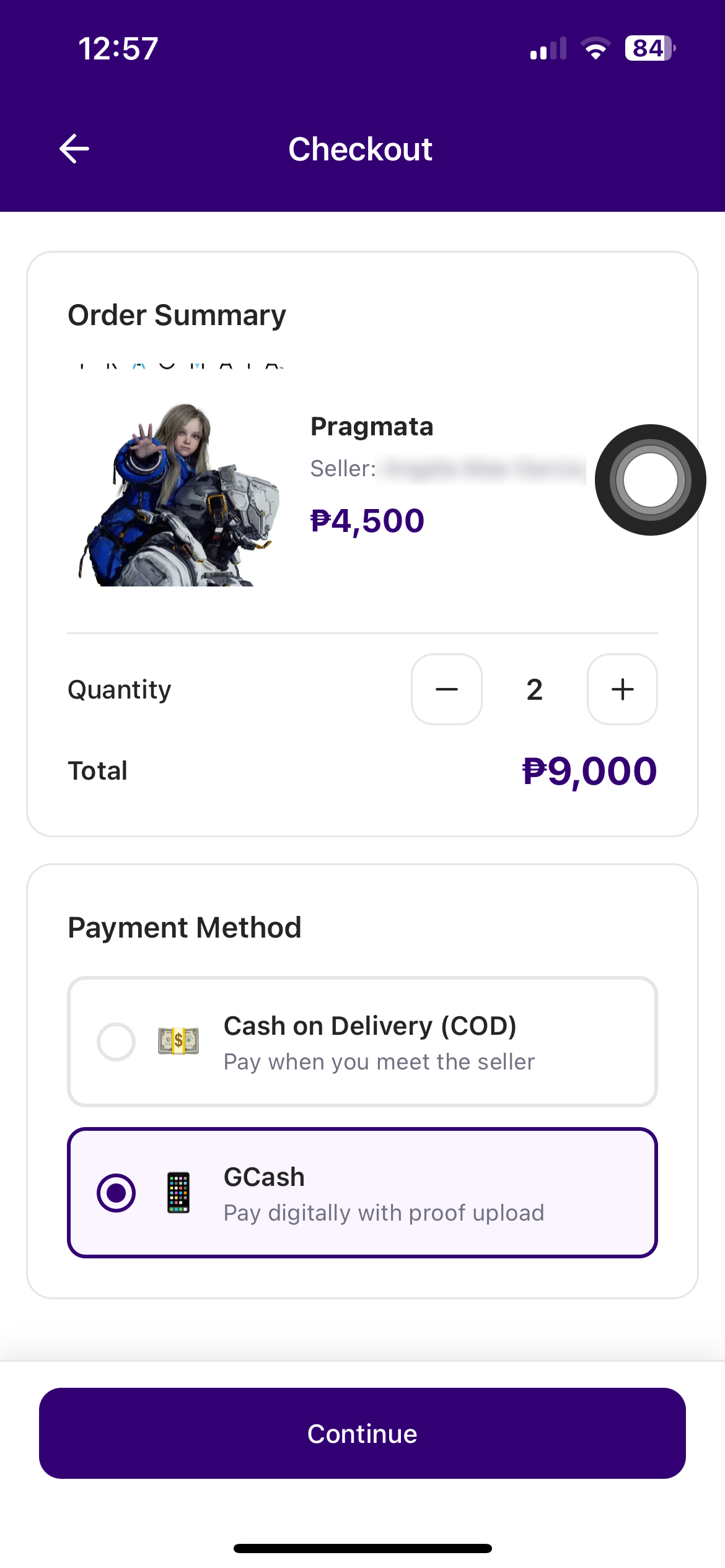

The result? Our team moved from initial design to full production deployment in just 4 weeks, from what could have taken 3-4 months if done traditionally.
Even more importantly, this speed did not come at the cost of quality. Because the AI agents managed the critical safety nets, the 4-week delivery included:
- Assisted and continuous maintenance and code hygiene: AI agents provide continuous maintenance. They generate living documentation that stays in sync with code changes and suggest real-time refactors to maintain style consistency and architectural standards from the very first commit.
- Comprehensive documentation: Automated, real-time documentation spanning from the initial PRD and user stories down to inline code comments.
- Proactive security guardrails: We have moved beyond standard DevSecOps pipeline validations. Our framework integrates predictive vulnerability scanning directly into the IDE (integrated development environment). By identifying anti-patterns and known OWASP vulnerabilities during the drafting phase, security shifts from a final gate to a continuous, automated feedback loop during active development.
Perhaps the most significant win isn’t just the code, but the complete traceability the framework provides. In a traditional setup, documentation often lags behind development. With AI SDLC, every feature is traceable from the initial BRD (business requirements document) to the PRD, down to the specific task list, code commit, and test evidence. This means you receive a permanent, searchable knowledge asset—not just a software package—ensuring that design rationale and operational logic are never lost to team rotations.
With Stratpoint’s AI-assisted development framework, you no longer have to choose between speed, security, and quality. AI SDLC covers all three, delivered by a software engineering team operating at the absolute cutting edge.
Accelerate Your Engineering Roadmap
Don’t let legacy processes hold your business back. Learn how our AI SDLC can deliver your next application with unprecedented speed and security. Book a discovery call with #StratpointSoftware experts by filling out the form below.