
Key Takeaways
- Slack Enables Modernization: The capacity that makes modernization possible rarely shows up on any budget or scorecard; that’s why it gets cut first.
- Sense, Test, Adopt: Many organizations stall at “adopt,” turning a proven idea into everyone’s default, not just one team’s win.
- Culture is the Foundation: A learning culture can’t be built reactively. It has to already exist before the wave arrives.
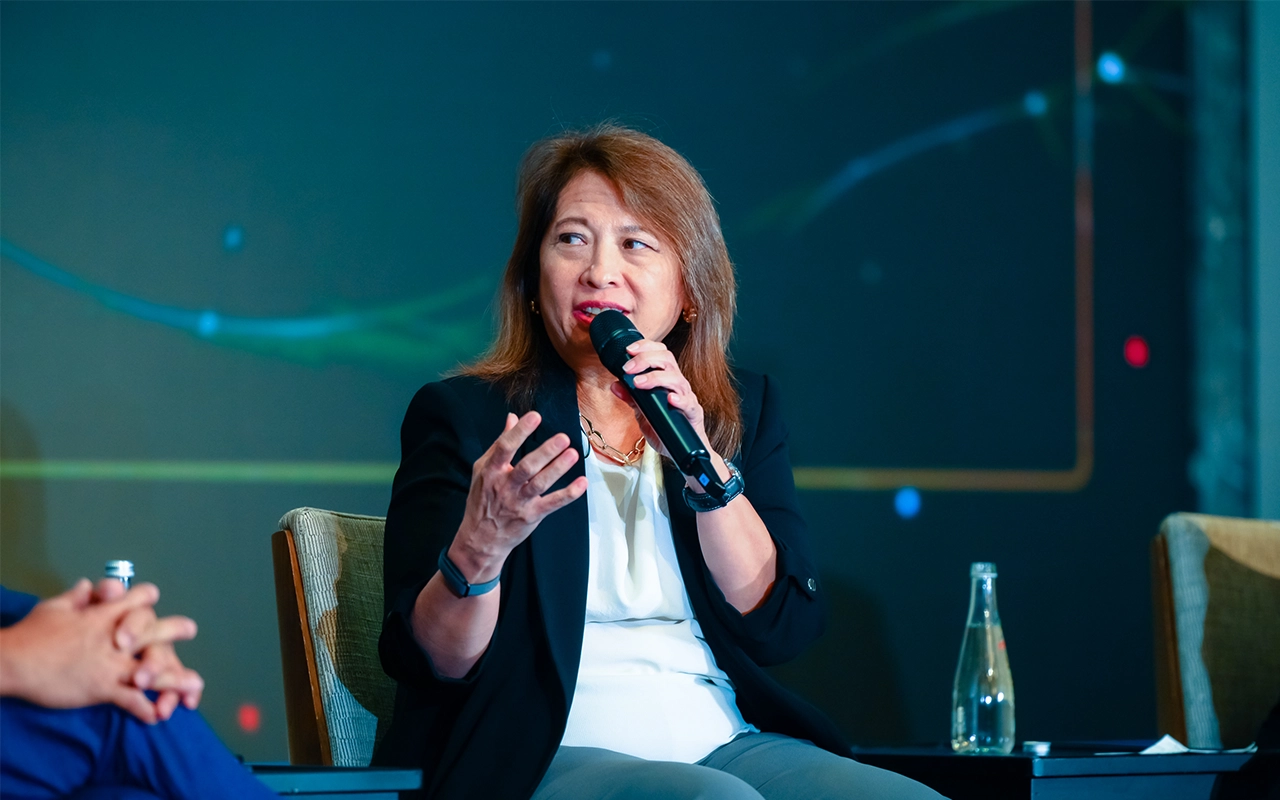
I recently joined a panel on organizational resilience at the ACC CXO Forum in Hong Kong, alongside leaders representing infrastructure, cybersecurity, and cloud and AI platforms – highly capable leaders who already know how to execute, deliver, and win. Speaking to that room, I wanted to make the case: real resilience doesn’t come from doing more. It comes from deliberately building in room to do less. I call it “slack.”
Slack is the Fuel for Modernization
“Slack” isn’t about slacking off. It’s the deliberate margin, capacity not accounted for in this quarter’s output, that gives an organization room to innovate. I owe the term “slack” in this specific sense to Will Larson’s An Elegant Puzzle: Systems of Engineering Management, a framing that’s stuck with me.
Organizations cannot run at maximum efficiency and modernize at the same time. Slack lets a team pilot something new without dropping today’s operations, or run two systems in parallel through a cutover. Operating with a margin today is what buys the organization the ability to build tomorrow.
Sense, Test, Adopt: The Organizational Resilience Cycle
So what do you do with the slack? It gives you space to innovate, and the best way I know how to spend it is a simple framework:
- Sense: Gather signals from inside the organization and the market before they become obvious.
- Test: Let teams experiment, treating failure as the cost of finding what works.
- Adopt: Scale what one team proves out, making it the default everywhere.
Slack gives an organization the room to run this cycle. Without it, there’s no space left to sense, test, or adopt.
Culture is the Fabric, Leadership Does the Folding
None of this works without the right culture, shaped by bold leadership. Culture is the fabric an organization is made of, and leadership is what folds it into a shape that can withstand pressure. The culture I value most is one built around continuous learning and mastery. Not learning as an event, but as a default state.
My job as a leader isn’t to rebuild that culture every time something new arrives. It’s to point an existing culture of learning at whatever’s next. Today, that wave is AI. Tomorrow, it will be something else.
Slack gives an organization room to move. Sense, test, and adopt gives it a way to use that room well. A learning culture, folded by bold leadership, is what makes both possible. That’s organizational resilience.
Where is your organization building its margin for what’s next? Connect with us to start the conversation and explore perspectives on leadership and organizational resilience.